Macro photography isn't obvious at first
We've spent years figuring out what actually works when you're shooting at extreme magnification ratios. Not theory — practical techniques you can use with whatever gear you already have.
We started this in 2017
Back then, most macro tutorials assumed you had a dedicated macro lens, a ring flash, and a tripod setup. But plenty of photographers were trying to work with what they had — extension tubes, reversed lenses, even phone clip-on magnifiers.
The problem wasn't lack of interest. It was that nobody was explaining the actual physics and techniques in plain terms. Why does your depth of field collapse to 2mm at 3:1 magnification? How do you compensate for light loss without blowing out your subject?
So we built a program that covers those specifics. We walk through aperture behavior at high magnification. We show you how to manage working distance when your lens is practically touching the subject. We explain focus stacking without requiring expensive software.
Since launch, we've taught photographers in 47 countries. Some were shooting insects in their gardens. Others were documenting circuit boards for technical work. The techniques transfer across contexts because they're based on optical principles, not equipment marketing.

Birgitta Järvinen
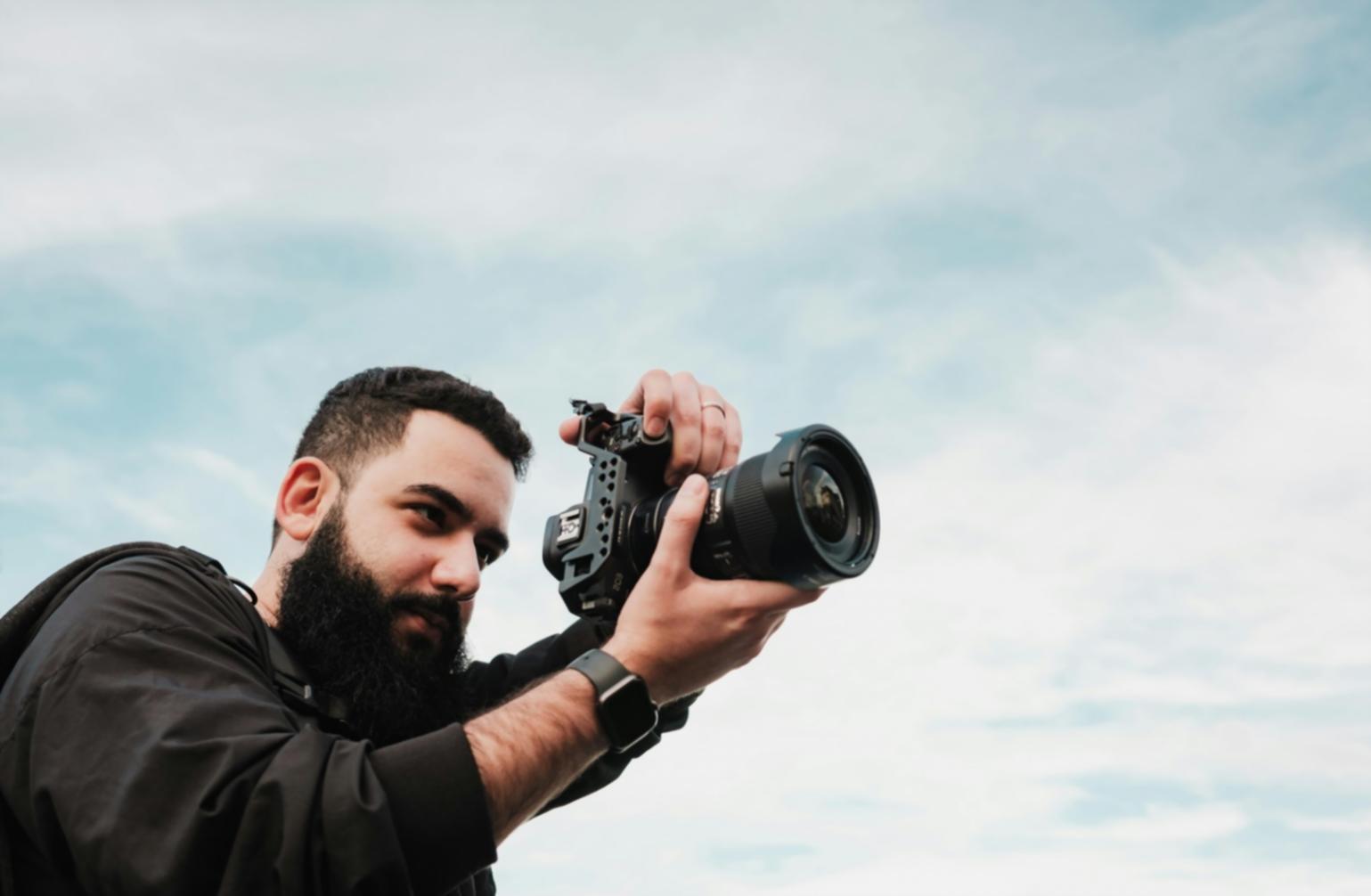
I spent five years documenting beetle species for a university entomology department before I started teaching. That meant shooting hundreds of specimens at magnifications between 2:1 and 5:1, often with specimens smaller than a grain of rice.
The technical challenges were constant. At those ratios, your effective aperture changes dramatically. A lens set to f/8 might be performing closer to f/22 once you factor in magnification. Your shutter speed requirements shift. Your lighting setup has to change completely.
I realized most photographers trying to learn macro were hitting the same walls I did early on. But the information was scattered across forum threads and vendor documentation. So I organized what I'd learned into a structured program that addresses the actual problems you encounter in the field.
We cover the math where it matters, but mostly we focus on practical solutions you can implement immediately with whatever equipment you're currently using.
How we teach this
Macro photography has specific technical requirements. We address those directly with methods you can apply right away.
Real magnification ratios
We calculate actual working magnification for your setup and show you how aperture, focal length, and extension affect your final image parameters.
Light management techniques
At high magnification, light loss is severe. We demonstrate diffusion methods, reflector positioning, and flash sync strategies that work with minimal gear.
Focus stacking workflows
When your depth of field measures in millimeters, you need stacking. We walk through manual rail techniques and software alignment without expensive automation.
Field stability methods
Handheld macro at 3:1 magnification is nearly impossible. We show you improvised stabilization techniques and breathing control that actually help.
Budget equipment approaches
You don't need a $1200 macro lens to start. We demonstrate extension tubes, reversing rings, and close-up filters that deliver usable results.
Post-processing essentials
Macro images often need sharpening, chromatic aberration correction, and noise reduction. We cover those steps with open-source tools.
See the full curriculum
Our learning program breaks down exactly what we cover, module by module. Check the structure and decide if it matches what you're trying to learn.